
To visit Kenya and only experience the wildlife is to miss half the story. While the Great Migration and the Big Five define our landscapes, it is the communal table that defines our people. Kenyan cuisine is not merely a collection of caloric intake; it is an intricate map of history, geography, and tribal heritage.
From the humid, spice-laden air of the Swahili coast to the fertile volcanic soils of the central highlands and the freshwater bounty of Lake Victoria, Kenyan traditional foods tell the narrative of a nation.
At Mamis Tours & Travels, we believe that a true safari engages all five senses. We do not just guide you to the best game reserves; we guide you to the authentic flavors that sustain our culture. This guide is designed to move you past the hotel buffet and into the heart of Kenya local dishes, ensuring you leave with a palate as enriched as your passport.
Understanding Kenya’s Food Culture: More Than Just a Meal
Before diving into specific dishes, one must understand the philosophy of eating in Kenya. Food here is rarely a solitary activity; it is a communal anchor.
The Etiquette of Eating
In many traditional settings, particularly in rural areas or at Nyama Choma joints, eating with your hands is not just acceptable. However, there is a method to it. You eat with your right hand only. A basin of warm water and soap will often be passed around the table before the meal (or a sink is provided at the entrance of the eatery).
Regional Diversity
What you eat depends entirely on where you are:
- The Coast (Mombasa/Lamu): Heavily influenced by Indian and Arabian trade, featuring coconut milk, rice, and aromatic spices.
- Central Highlands: Dominated by tubers, maize, and beans—hearty, heavy foods meant to fuel agricultural labor.
- The Lake Region (Kisumu): Centered around freshwater fish and millet-based starches.

1. Ugali: The National Canvas
Region: Nationwide Staple
If there is one non-negotiable definition of Kenyan cuisine must-try, it is Ugali. To the uninitiated, it may look like a dense block of white cornmeal. To a Kenyan, a meal without Ugali is technically just a snack.
Ugali is made from coarse white maize flour (and occasionally sorghum or millet in western regions) cooked in boiling water until it reaches a dough-like consistency. It has a mild, popcorn-like aroma but a neutral taste.
How to Eat It Like a Local: Do not use a fork. Pinch a small lump of Ugali with your right hand, squeeze it into a ball, and make an indentation with your thumb. This transforms the food into a scoop (or “spoon”) which you then use to pick up greens, stews, or meats. The texture is key—it should be firm enough to hold its shape but soft enough to swallow with ease.
2. Sukuma Wiki: The Vegetable of Resilience
Region: Nationwide
Often paired with Ugali, Sukuma Wiki is collard greens, thinly sliced and sautéed with onions, tomatoes, and simple spices. The name literally translates to “push the week.” Historically, this vegetable was affordable and available year-round, allowing families to stretch their resources and “push” through to the end of the week.
Why It Matters: While it sounds simple, the preparation is an art. Overcooked Sukuma Wiki loses its vibrancy. A proper serving retains a slight crunch and a bright green hue. It represents the backbone of the Kenyan diet—nutritious, accessible, and universally loved.
3. Nyama Choma: The Social Ritual
Region: Nationwide (Best experienced in Nairobi and its environs)
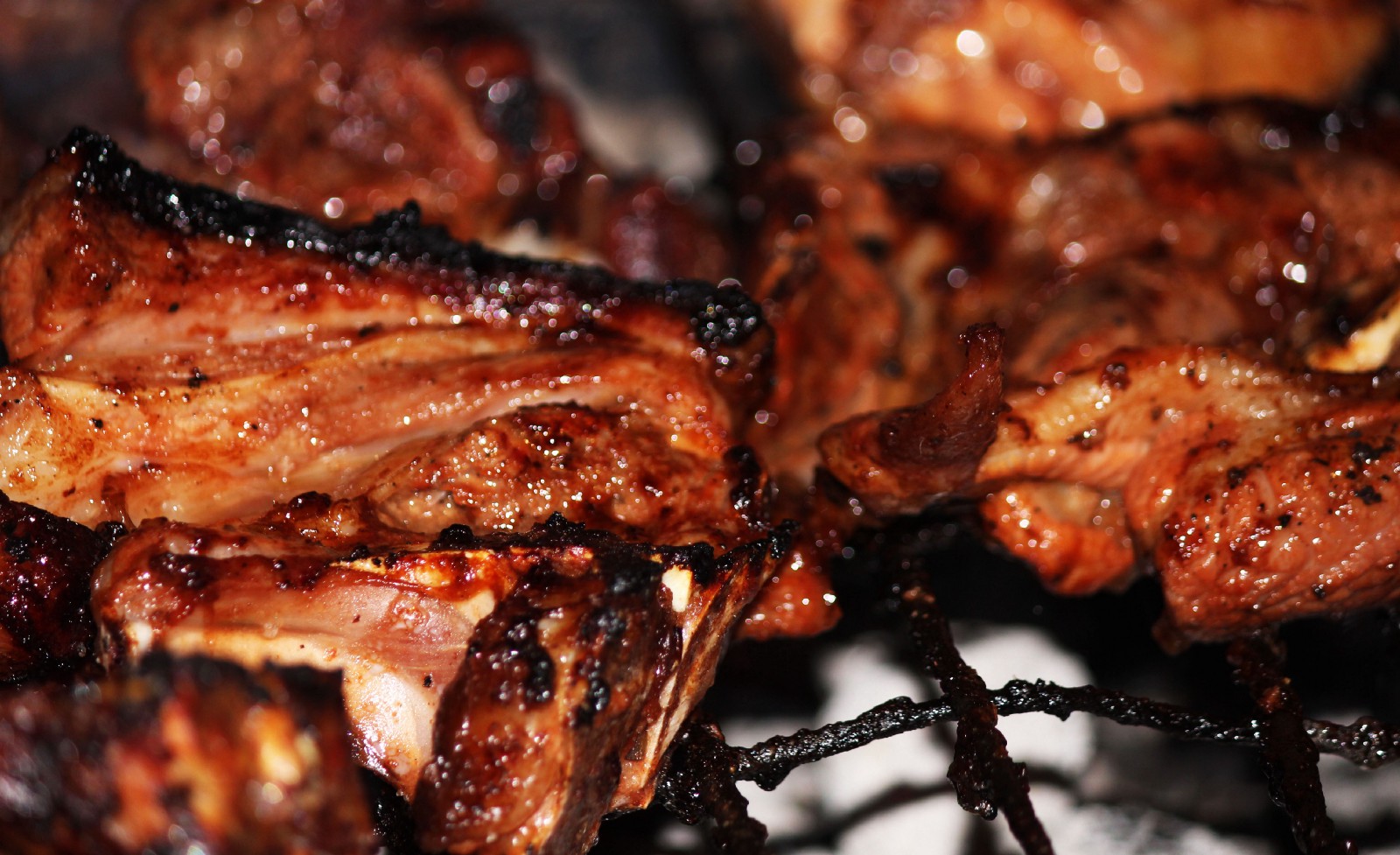
Nyama Choma (roasted meat) is not just food; it is an event. Usually consisting of goat or beef roasted over an open charcoal grill, this is the ultimate Kenyan food experience.
Unlike Western BBQ, Nyama Choma is rarely marinated beforehand. The flavor comes from the quality of the meat, the smoke of the charcoal, and the salt water brushed on during roasting. It is served on a wooden board, chopped into bite-sized pieces, accompanied by Kachumbari—a fresh salsa of diced tomatoes, onions, coriander, and chili.

Mamis Tours & Travels Insider Tip: Locals judge a Nyama Choma joint by the tenderness of the meat and the freshness of the Kachumbari. We recommend trying this on a Sunday afternoon, where the atmosphere is lively, often accompanied by local music.
4. Kachumbari: The Essential Sidekick
Region: Nationwide
While mentioned above, Kachumbari deserves its own entry. It is the acid that cuts through the richness of Kenyan meats and starches. It is uncooked, fresh, and vibrant. In some regions, you will find variations including avocado or lime juice, but the base remains onion, tomato, and chili (pili-pili).
5. Swahili Pilau and Biryani: The Coastal Aromas
Region: The Coast (Mombasa, Malindi, Lamu)
When you travel to the coast with Mamis Tours & Travels, the air changes. It smells of cloves, cardamom, cinnamon, and the sea. This is the home of Swahili cuisine.
- Pilau: A spiced rice dish where the meat (usually beef or goat) is cooked together with the rice in a single pot. The rice is brown, fragrant, and heavily spiced with cardamom, cloves, and peppercorns. It is a celebratory dish, often served at weddings.
- Biryani: Unlike Pilau, Biryani involves cooking the rice and the meat curry separately. The rice is often colored with saffron or food coloring, creating a beautiful orange and white platter, topped with a rich, thick meat sauce.
Authority Note: Authentic Pilau does not use curry powder; its flavor comes from whole spices.
6. Chapati and Mandazi: The Daily Comforts
Region: Nationwide
These wheat-based staples show the historical influence of the Indian diaspora in Kenya, yet they have evolved into distinctly Kenyan foods.
- Chapati: A flatbread that is flaky and layered. The mark of a skilled cook is a Chapati that is soft, not crispy, with distinct layers created by coiling the dough before rolling it out. It is eaten with stews (like Ndengu—green grams) or simply with tea.
Ready to plan your Trip?
Let us help you get the best of East Africa.

- Mandazi: Often called the “Swahili Bun,” this is a semi-sweet, deep-fried dough. It is the standard breakfast accompaniment to chai (tea). A variant, Mahamri, is made with coconut milk and cardamom, offering a hollow, fluffy texture perfect for the coast.
7. Githeri: Heritage in a Bowl
Region: Central Kenya
Originating from the Kikuyu community, Githeri is a simple, hearty mixture of boiled maize and beans. It gained fame as a “survival food” but is deeply culturally significant.
Traditionally, it was boiled in earthenware pots. Today, it is often fried with onions, tomatoes, and potatoes to make it more palatable for urban diners. It is a slow-burning energy source, famously consumed by Kenyan long-distance runners.
8. Samaki wa Kupaka (Grilled Fish in Coconut Sauce)
Region: Coastal and Lake Regions
While the Luo people of Lake Victoria are famous for their Tilapia (often deep-fried), the Swahili coast offers Samaki wa Kupaka. This is fish that has been charcoal-grilled and then coated in a rich, thick tamarind and coconut milk sauce. The smokiness of the fish combined with the creamy, tangy sauce is a revelation for seafood lovers.
9. Mukimo (Irio): The Indigenous Mash
Region: Central Kenya
Mukimo is a visually striking dish—bright green and dense. It is made by mashing potatoes with pumpkin leaves, maize, and occasionally beans. It is a ceremonial food, often served at weddings and funerals in Central Kenya. It is heavy, filling, and usually served alongside a beef stew to provide moisture.
10. Mutura: The “Kenyan Sausage”
Region: Central Kenya / Street Food
For the adventurous traveler, Mutura is the ultimate street food test. Often referred to as “African blood sausage,” it is intestine casing stuffed with a mixture of minced meat, goat blood, and spices, then grilled over charcoal.
Safety Note: Only eat Mutura hot off the grill. It is savory, smoky, and incredibly rich.
A Family Guide: Navigating Kenyan Cuisine with Kids
Traveling with family? Mamis Tours & Travels ensures your culinary journey is safe and enjoyable for all ages.
- Spice Levels: Kenyan food is generally savory, not hot. The “heat” usually comes on the side in the form of chili paste or raw chilies. Dishes like Pilau, Chapati, and Ugali are very kid-friendly.
- Safe Bets: Chapati is universally loved by children (it’s similar to a tortilla but softer). Roast chicken and chips (fries) are also widely available, though we encourage trying the local fare!
- Hygiene: When eating street food (like roasted maize or Mandazi), ensure it is hot. Avoid raw salads in roadside kiosks if you have a sensitive stomach; stick to cooked greens like Sukuma Wiki.
Conclusion: Taste the Culture
You can read about what to eat in Kenya, but you cannot understand the warmth of Kenyan hospitality until you have broken a piece of Chapati or shared a platter of Nyama Choma.
Food here is an invitation. It is an invitation to sit, to talk, and to belong.
At Mamis Tours & Travels, we are dedicated to curating experiences that go beyond the visual. Whether you are looking for the best Nyama Choma in Nairobi or the most authentic Pilau in Mombasa, our guides are ready to lead the way.
Ready to book your culinary and wildlife adventure? Contact Mamis Tours & Travels today and let us show you the real taste of Kenya.