
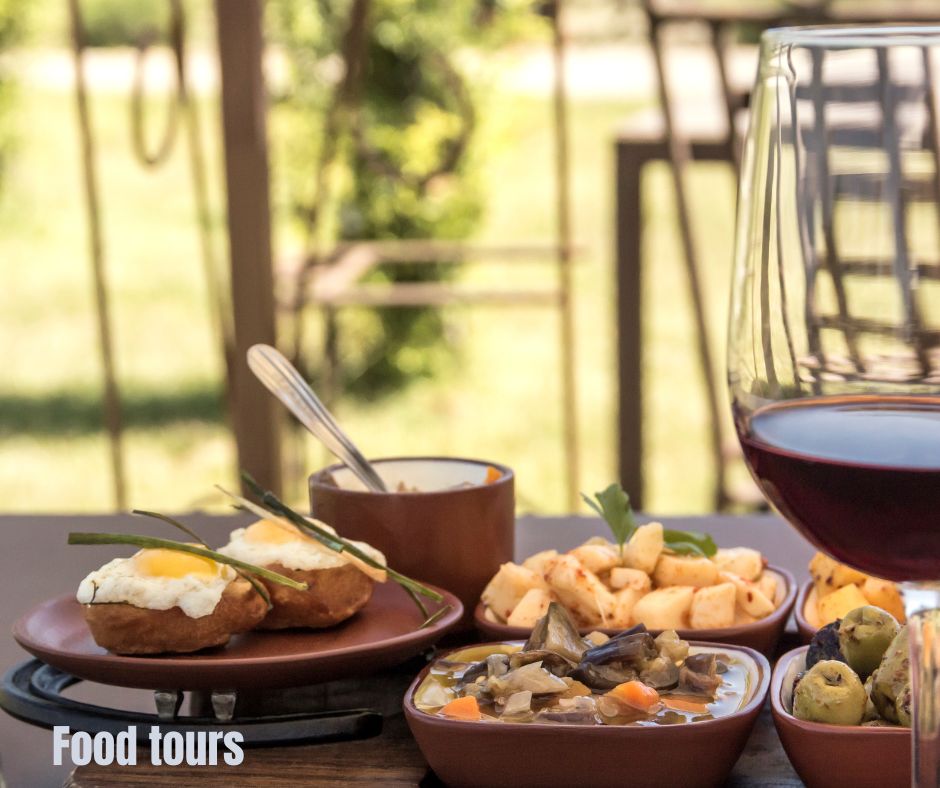
Swahili cuisine in Tanzania is not merely a collection of recipes; it is a living archive of trade, migration, and coastal rhythms. For centuries, the Monsoon winds brought Arab, Persian, and Indian traders to the East African coast, where they mingled with the indigenous Bantu population. The result of this convergence is Swahili culture, and its most tangible expression is its food.
At Mamis Tours & Travels, we believe that you cannot truly claim to have visited Tanzania without engaging with its culinary heritage. While the Serengeti offers visual splendor, the coast offers a sensory journey through time. This guide provides the cultural literacy needed to navigate Tanzanian Swahili cuisine with confidence, moving beyond the hotel buffet to understand the soul of the region.
The Philosophy of Flavor: Aromatic, Not Aggressive
A common misconception among travelers is that “spiced” means “spicy.” Swahili food culture defies this. Unlike the fiery heat found in some West African or South Indian cuisines, Swahili food is defined by subtlety, aroma, and balance.
The cuisine relies heavily on the “fragrant spices”—cardamom, cinnamon, cloves, cumin, and black pepper. These are used to create layers of flavor rather than to overwhelm the palate with heat. Chilies (pilipili) are almost always served on the side as a condiment, allowing the diner to control the heat level.
The unifying element in Tanzanian coastal food is the coconut. Used in three stages—water (madafu) for drinking, grated flesh for texture, and milk (tui) for sauces—coconut provides the rich, creamy foundation that balances the spices and softens the acidity of tomatoes and tamarind.

The Pillars of the Swahili Kitchen
Before delving into specific dishes, one must understand the ingredients that dictate the rhythm of the Swahili kitchen.
- Rice (Wali): In Swahili culture, rice is more than a grain; it is a symbol of civilization and hospitality. While maize (ugali) is the staple of the interior, rice rules the coast. To serve a guest rice is to honor them.
- Seafood: The ocean is the refrigerator of the coast. Fish, octopus, calamari, and prawns are not luxury items here; they are everyday sustenance, caught by artisanal fishermen in dhows and brought to market daily.
- Plantains and Cassava: These provide the heavy starch needed for labor. They are often simmered in coconut milk, transforming humble root vegetables into rich, comforting meals.
Essential Dishes: A Cultural Lexicon
To navigate a menu in Zanzibar, Dar es Salaam, or Tanga, you must understand the distinction between dishes that look similar but carry different cultural weights. Here are the essential foods that define Swahili cuisine in Tanzania.
1. Pilau: The Dish of Celebration
If there is a wedding, a religious holiday, or a significant family gathering, there is Pilau. This is a one-pot marvel where rice is cooked in a seasoned broth of meat (usually beef, goat, or chicken) and whole spices—specifically cardamom, cloves, cinnamon sticks, and peppercorns.
The Cultural Context: Pilau represents unity. The flavors meld together in a single vessel, turning the rice a golden brown. It is typically served on a large communal platter (sinia), emphasizing the Swahili value of sharing. Unlike Biryani, the meat is cooked with the rice, absorbing the essence of the spices entirely.
2. Biryani: The Culinary Indulgence
While Pilau is the standard for celebrations, Biryani is the showstopper. Influenced heavily by Indian traders, Tanzanian Biryani is distinctly different from its Pilau cousin. It is prepared in two separate pots: one for the highly saffron-colored, aromatic rice, and another for a rich, thick meat curry (roast).
The Cultural Context: Biryani is labor-intensive and rich. It is often reserved for Friday lunch (after mosque prayers) or grand weddings. When you order Biryani, you are participating in a ritual of indulgence. The separation of rice and sauce allows for a contrast in flavors that Pilau does not offer.
3. Samaki wa Kupaka: The Coastal Signature
This dish encapsulates the essence of Tanzanian coastal food. Samaki means fish, and kupaka means to coat or slather. A whole fish (often Changu or Kingfish) is grilled over charcoal to impart a smoky flavor. It is then slathered in a thick, yellow, turmeric-spiced coconut sauce and finished over the fire.
The Cultural Context: This dish highlights the marriage of the grill (an ancient preservation method) and the coconut grove. It is a favorite in Zanzibar and coastal towns, representing the freshest catch of the day prepared with the utmost respect for the ingredient.
4. Ndizi na Nyama: The Comfort of Home
Travelers often mistake bananas for dessert. In Tanzania, the green plantain (ndizi) is a savory starch, treated much like a potato. Ndizi na Nyama is a stew of plantains and meat (usually beef) simmered in coconut milk until the sauce is thick and creamy.
The Cultural Context: This is “home food.” You are less likely to find this in high-end tourist restaurants, but it is a staple in local homes and mgahawa (local eateries). It demonstrates how Swahili cooks use coconut milk to tenderize meat and thicken stews without using flour or dairy.
5. Chapati: The Daily Art Form
Swahili Chapati is distinct from the Indian roti. It is made with white flour and oil (or ghee), rolled into a coil to create layers, and then pan-fried. The result is a flaky, slightly crisp flatbread that is soft on the inside.
The Cultural Context: Chapati is ubiquitous. It serves as a utensil, used to scoop up beans, stews, or tea. Making soft, flaky chapatis is a skill passed down through generations. At Mamis Tours & Travels, we often recommend breakfast at a local tea house to experience fresh chapati paired with sweet tea.
Ready to plan your Trip?
Let us help you get the best of East Africa.

6. Mandazi and Mahamri: The Morning Ritual
Mandazi are fried dough triangles, slightly sweet and flavored with cardamom. They are the standard accompaniment to tea (chai). However, the coastal variation, Mahamri, is superior. Mahamri are made with coconut milk and yeast, making them hollow, fluffy, and incredibly aromatic.
The Cultural Context: This is the fuel of the coast. In the mornings and late afternoons, Swahili towns smell of frying dough. Mahamri are often eaten with Mbaazi za Nazi (pigeon peas in coconut milk) for a savory-sweet breakfast that powers the workforce.
7. Mchicha na Nazi: The Quiet Staple
While meat and seafood get the glory, greens are the backbone of the diet. Mchicha (amaranth greens/spinach) is rarely boiled plain. It is sautéed with onions and tomatoes, then simmered in coconut milk (na nazi) and sometimes peanut powder.
The Cultural Context: This dish reflects the resourcefulness of Swahili cooking. It turns simple garden greens into a rich, caloric side dish that complements dry rice or stiff maize porridge (ugali). It is essential for a balanced meal.
8. Urojo (Zanzibar Mix): The Street Food King
Urojo is a bowl of history. Originating in Zanzibar, it is a thick, yellow, flour-based soup flavored with turmeric and lemon. Into this soup goes a variety of textures: fried potato balls (kachori), crispy cassava shavings, skewers of beef, and a boiled egg, topped with coconut chutney and hot sauce.
The Cultural Context: Urojo is strictly street food. It is rarely made at home. It represents the melting pot of Stone Town—Indian frying techniques, Swahili spices, and local tubers, all mixed in one bowl. It is sour, spicy, crunchy, and smooth all at once.
Dining Etiquette and Cultural Nuance
Understanding Swahili food in Tanzania requires understanding the context in which it is eaten.
- The Role of Religion: The coast is predominantly Muslim. Consequently, Swahili cuisine is Halal. Pork is non-existent in traditional Swahili fare, and alcohol is rarely served in authentic local eateries.
- Communal Eating: Traditionally, meals are eaten from a communal platter using the right hand. This promotes a sense of equality and bonding. While restaurants provide plates and cutlery, the ethos of sharing remains.
- Time and Tide: Life on the coast moves pole pole (slowly). Meals are not rushed. Lunch is the main meal of the day, often followed by a rest period to escape the midday sun. Dinner is lighter, often consisting of street snacks or leftovers.
Experience the Authentic Taste with Mamis Tours & Travels
You can read about the aroma of cloves and the creaminess of coconut milk, but Swahili cuisine in Tanzania must be tasted to be understood. It is found in the back-alley tea houses of Stone Town, the night markets of Dar es Salaam, and the family kitchens of Tanga.
At Mamis Tours & Travels, we go beyond the standard itinerary. We guide our clients to the places where the fire is real and the history is palatable. Whether you are seeking the perfect Biryani or a lesson in making Chapati, we ensure your journey is as flavorful as it is memorable.
Swahili food is an invitation. It invites you to sit, to share, and to taste the history of the Indian Ocean.