
For many travelers, Nairobi is merely a transit hub—a brief stopover before heading to the Maasai Mara or the beaches of Mombasa. This is a missed opportunity. Nairobi is not just a gateway; it is a vibrant, complex metropolis that serves as the economic and cultural heartbeat of East Africa.
Known as the “Green City in the Sun,” Nairobi offers a unique juxtaposition of raw wilderness and urban sophistication. However, navigating this sprawling city requires precision. Traffic is dense, and attractions are spread out. To maximize a 24-hour window, you need a strategic plan.
What Makes Nairobi Unique?
Before diving into the logistics, it is essential to understand why Nairobi ranks differently from other global capitals. It is a city of beautiful contrasts.
1. Wildlife Experiences Within the City
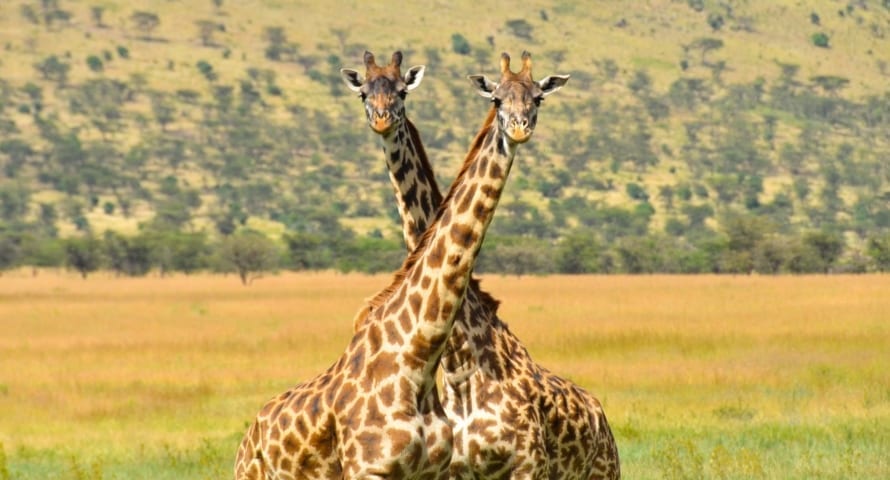
Nairobi is the only capital city in the world that hosts a national park within its borders. You can photograph a free-roaming lion or a tower of giraffes against a backdrop of city skyscrapers. This is not a zoo; it is a wild ecosystem operating minutes away from the Central Business District (CBD).
2. The Intersection of Modernity and Tradition
The city is a melting pot of Kenya’s 42+ tribes and a rapidly modernizing expatriate community. You will find Maasai markets selling traditional beadwork just blocks away from high-end tech hubs and skyscrapers.
3. Urban Green Spaces
Despite its rapid urbanization, Nairobi retains massive green lungs. Areas like the Karura Forest and the Arboretum offer dense, indigenous woodland experiences minutes away from the Central Business District (CBD).
Top Attractions That Fit a One-Day Timeline

When planning what to do in Nairobi for first-time visitors with limited time, ruthlessness is key. You cannot see everything. Instead, focus on three pillars: Wildlife, Culture, and Scenery.
Here is the Mamis Tours & Travel recommended triad for a single day:
1. The Wildlife Experience: Nairobi National Park
The unique wildlife preserve known as Nairobi National Park is also located, you guessed it, in Nairobi! Its distinctiveness is further enhanced by the fact that it is the only national park in the world to be situated inside the city limits! It’s a safari destination that is very much loved by tourists as well as locals.
Despite being quite close to the bustling city, Nairobi National Park is home to a variety of animals, including many classic African species. There, one can witness lions, cheetahs, giraffes, buffalo, rhinoceroses, and many more animals.
- Why it fits a one-day plan: It is located just 7km from the city center. A game drive here takes 3 to 4 hours, allowing you to see lions, rhinos, buffaloes, and zebras before lunch.
- Pro Tip: Start at 6:00 AM. Wildlife is most active at dawn, and you will finish by 10:00 AM, leaving the rest of the day open.
2. The Cultural Site: The National Museum of Kenya
Located on Museum Hill, this institution is the custodian of Kenya’s heritage. It houses an impressive collection ranging from paleontology (including the famous Turkana Boy fossil) to ethnographic displays of Kenyan tribal culture.
- Why it fits a one-day plan: It provides a comprehensive overview of Kenyan history and culture in one location. Unlike scattered cultural villages, the museum is central and can be toured thoroughly in 90 minutes.
3. The Scenic Leisure Activity: The KICC Helipad
For the best perspective of the city, head to the Kenyatta International Convention Centre (KICC) in the CBD. The rooftop helipad offers a 360-degree panoramic view of Nairobi.
- Why it fits a one-day plan: It requires no booking and takes less than an hour. It is the perfect spot to visualize the city’s layout and take iconic photos.
Ready to plan your Trip?
Let us help you get the best of East Africa.

A Taste of Kenya: Food & Dining Experiences
Culinary exploration is a vital part of any Nairobi city tour. However, when time is short, dining must be strategic.
Must-Try Local Dishes
- Nyama Choma: The undisputed king of Kenyan cuisine. This is goat or beef roasted over an open charcoal grill, usually served with Kachumbari (a fresh tomato and onion salsa).
- Ugali: A dense maize flour porridge that accompanies most savory dishes.
- Samaki wa Kupaka: Grilled fish coated in a rich tamarind and coconut sauce, offering a taste of the coast in the capital.
Where to Eat on a Schedule
- Carnivore Restaurant: Famous globally, this “Beast of a Feast” is ideal for tourists wanting a high-end Nyama Choma experience. It is located near the airport and the National Park, making it logistically sound.
- The CBD & Westlands: For a more café-style lunch that is quick and high quality, areas like Westlands offer premium dining. If you are in the CBD near KICC, local favorites like CJ’s provide excellent food with fast service.
Mamis Tours & Travel recommends booking lunch reservations in advance to avoid wait times, ensuring your one-day itinerary remains fluid.
Budget Expectations
Nairobi caters to all wallets, but for a seamless one-day experience, a mid-range to luxury budget yields the best results.
Attraction Costs (Estimates)
- Nairobi National Park: Non-resident fees are approximately $43 USD per adult as per current KWS park fees.
- National Museum: Approximately $10 USD per adult.
- KICC Helipad: Approximately $5 USD.
Transport
- Uber/Taxi: Short rides cost between $3–$8 USD.
- Full-Day Car Hire: Hiring a car with a driver (highly recommended for efficiency) typically ranges from $80 to $150 USD depending on the vehicle class.
Food
- Street Food/Local Kibanda: $2–$5 USD per meal.
- Mid-Range Restaurant: $15–$25 USD per person.
- High-End Dining (e.g., Carnivore): $35–$50 USD per person.
Ready to plan your Trip?
Let us help you get the best of East Africa.
Safety & Practical Tips for First-Time Visitors
Safety is a common query for those searching what to do in Nairobi for first-time visitors. While Nairobi is generally welcoming, it is a major metropolis, and standard urban precautions apply.
Safe Areas and Movement
- Daytime vs. Evening: The CBD is bustling and safe during the day, but we advise against walking alone after dark. Stick to well-lit, populated zones or use vehicular transport in the evening.
- Tourist Zones: Areas like Karen, Westlands, and Gigiri (the diplomatic zone) are very secure and accustomed to international visitors.
Transport and Belongings
- Private Transfers: For a one-day trip, do not rely on public buses (Matatus). They can be chaotic and confusing for newcomers. Hiring a private driver or booking a full-day package through Mamis Tours & Travel ensures safety, comfort, and, most importantly, time efficiency.
- Valuables: Keep expensive cameras and phones packed away when walking in crowded streets. Avoid flashing jewelry.
Best Time of Day & Season Considerations
To execute a flawless Nairobi city tour, you must factor in weather and traffic.
Weather Patterns
Nairobi sits at a high altitude (1,795 meters), giving it a mild climate year-round.
- Dry Seasons (Best for Visiting): January to February and June to October. These months offer the best conditions for the National Park, as the grass is shorter and animals are easier to spot.
- Wet Seasons: March to May and October to December. While rain can impact traffic, the city is lush and green during these times.
The Traffic Factor
Nairobi traffic is notorious.
- The Golden Rule: Start early. Leave your hotel by 6:00 AM to reach the National Park.
- Avoid Rush Hour: Try to minimize cross-town movement between 7:00 AM–9:00 AM and 4:30 PM–7:00 PM. Structure your day so that you are at an attraction or enjoying dinner during these windows.
Conclusion
Exploring Nairobi in one day is ambitious, but entirely possible with the right planning. By focusing on the National Park, the National Museum, and the KICC, you experience the wildlife, history, and modernity that define this great city.
Whether you need a reliable vehicle for the day or a fully guided experience to ensure you hit every checkpoint, Mamis Tours & Travel is your partner on the ground. We ensure your short stay leaves a long-lasting impression