
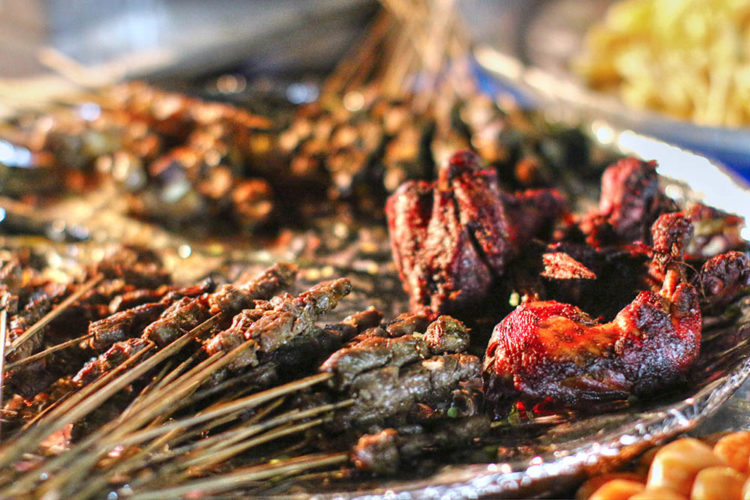
The fear of “Zanzibar belly” keeps many visitors confined to hotel buffets, causing them to miss out on the island’s true cultural heartbeat. The question dominates travel forums: Is street food in Zanzibar safe for tourists?
The short answer is yes—if you know how to navigate the stalls. Safety is not about avoiding the street; it is about knowing which street vendor to trust. At Mamis Tours & Travels, we believe that food is the most direct connection to a culture. We have guided countless visitors through the maze of Stone Town’s culinary scene without incident.
This guide provides authoritative Zanzibar food safety tips to help you distinguish between a delicious cultural experience and a digestive risk.
The Reality of Zanzibar Street Food Safety
Street food is not inherently dangerous. In many cases, it is safer than mid-range restaurant food because you can see exactly how it is prepared. In a restaurant kitchen, the hygiene is hidden; on the street, it is on display.
However, Zanzibar food hygiene standards differ from what you might find in Europe or North America. The climate is tropical, humidity is high, and refrigeration can be inconsistent. Therefore, the responsibility falls on the traveler to assess the vendor.
To eat safely, you must adopt the mindset of a local. Locals do not want to get sick either, and they vote with their feet.
How Locals Judge Safety
The single most important metric for safe street food in Zanzibar is turnover.
Bacteria needs time to grow. Food that is cooked fresh and sold immediately is almost always safe. Food that has been sitting in a glass display case for four hours is a risk.
Follow the Crowd
If you see a stall at Forodhani Gardens or Darajani Market with a long line of locals (not just tourists), get in that line. High demand forces the vendor to keep cooking fresh batches. A stall with no customers and a mountain of pre-cooked food is a red flag.
The Visual Freshness Test
Before ordering, scrutinize the raw ingredients.
- Seafood: Fish eyes should be clear, not cloudy. The flesh should spring back when touched. If the seafood looks dry or smells overly “fishy” (ammonia-like), walk away.
- Meat: Skewers (Mishkaki) should look red and moist before they hit the grill. Avoid gray or oxidized meat.
High-Risk vs. Safe Options: What to Eat and What to Avoid
Not all street foods carry the same risk profile. When asking “is street food safe in Zanzibar,” the answer depends largely on the specific dish.
The Safest Bets (Green Light)
These foods undergo high-heat cooking immediately before consumption, which kills bacteria.
- Zanzibar Pizza: This is not a traditional pizza but a thin dough filled with meat, veggies, cheese, and egg, then fried on a hot griddle. Because it is cooked to order at high temperatures, it is generally very safe.
- Urojo (Zanzibar Mix): A hot, turmeric-based soup with potato balls and bhajias. The soup is kept simmering hot, making it a safe and delicious option.
- Mishkaki: Marinated beef or chicken skewers grilled over open charcoal. Ensure you ask the vendor to cook it “well done.”
- Roasted Maize/Cassava: Roasted directly over fire. Peel off any charred bits and enjoy.
Read also:Zanzibar street food guide

Proceed with Caution (Yellow Light)
- Chutneys and Sauces: Coconut chutney is delicious but spoils quickly in the heat. Only eat this if the stall is very busy and you see them refilling the bowl from a cooler.
- Pre-cut Fruit: While tempting, fruit sitting out attracts flies.
The Risky Options (Red Light)
- Salads: Uncooked lettuce or cabbage may have been washed in tap water. Unless you are on a guided tour where the source is verified, skip the raw greens.
- Pre-cooked Shellfish: Lobster or prawns displayed in pyramids at Forodhani Gardens often look impressive but may have been cooked hours ago and reheated. Only order seafood if you see it taken raw from a cooler and grilled in front of you.
Navigating Forodhani Gardens Safely
Forodhani Gardens is the epicenter of Zanzibar’s night food scene. It is chaotic, vibrant, and aggressive.
Travel food safety in Zanzibar often comes down to timing here.
- Go Late: Do not be the first person to eat at 6:00 PM. The first batch of food might be leftovers from the previous night or food that sat out during setup. Arrive after 7:30 PM when the grills are hot and the turnover is high.
- Avoid Touts: Vendors who send aggressive “touts” to drag you to their stall are usually compensating for poor quality. The best chefs are too busy cooking to harass you.
Water and Beverage Safety
Hydration is vital, but waterborne illness is the most common cause of sickness.
- Tap Water: Do not drink the tap water.
- Bottled Water: Ensure the seal is unbroken.
- Sugarcane Juice: A must-try. Watch the vendor. If they are pressing the cane fresh, it is safe. However, inspect the ice. If the ice is a solid, chipped block, it may be frozen tap water. If the ice creates a cylinder shape with a hole in the middle, it is usually factory-produced hygienic ice. When in doubt, order it without ice (bila barafu).
Ready to plan your Trip?
Let us help you get the best of East Africa.

- Madafu (Fresh Coconut): This is the safest drink on the island. The coconut water is sterile inside the shell until it is opened. Drink it straight from the coconut.
The Value of a Guided Food Walk
While independent exploration is possible, Zanzibar street food safety is significantly enhanced when you have a local expert by your side.
At Mamis Tours & Travels, our guides have personal relationships with street vendors. We know whose family catches the fish that morning. We know who washes their hands religiously and who uses filtered water for their chutneys.
A guided food walk does two things:
- Risk Mitigation: We steer you away from “tourist trap” stalls that prioritize display over hygiene.
- Cultural Context: We explain why the food is prepared that way, bridging the gap between mere eating and true understanding.
Cultural Insight: Hygiene and Community
It is a misconception that street food is dirty. In Zanzibar, food is community. If a vendor makes people sick, word spreads instantly through the neighborhood, and their business dies.
Locals handle food with a specific etiquette. You will notice many vendors using a plastic bag over their hand like a glove when serving food, or using tongs. If you see a vendor handling money and then touching food with bare hands, simply move to the next stall.
Summary Checklist for Safe Eating
If you follow these rules, you can confidently explore the flavors of Zanzibar:
- Heat is your friend: Eat food that is cooked hot in front of you.
- Turnover is key: Eat where the locals are queuing.
- Skip the salad: Avoid raw vegetables unless at a high-end establishment.
- Check the ice: Avoid chipped block ice in juices.
- Trust local expertise: Utilize Mamis Tours & Travels to curate your culinary journey.
Don’t let fear keep you from the Zanzibar Pizza or the fresh octopus skewers. With a little vigilance and the right guidance, the street food here isn’t just safe—it’s the highlight of the trip.