Mombasa is not merely a beach destination; it is a sensory archive of the Indian Ocean trade routes. To walk through Mombasa is to walk through centuries of convergence between Africa, Arabia, India, and Europe. For the discerning traveler, the city offers a depth of history that few coastal cities can rival.
This cultural guide to Mombasa goes beyond the standard tourist itinerary. It explores the architectural veins of Old Town, the culinary heritage of the Swahili people, and the rhythms of daily life that define this island city. At Mamis Tours & Travels, we believe that to truly know Mombasa, you must engage with its people, respect its traditions, and taste its history.

The Soul of the Coast: Understanding Swahili Heritage
Mombasa is the epicenter of Swahili culture, a civilization born from the monsoon winds that brought traders from across the Indian Ocean to the East African coast. It is a melting pot where Arab, African, Indian, and Portuguese influences have fused over a millennium to create a distinct society.
A Historic Trading Port
Unlike the interior of Kenya, Mombasa functioned as a city-state deeply connected to the global economy long before colonial borders were drawn. It was a hub for the spice trade, ivory, and unfortunately, the slave trade. This history of exchange is visible everywhere: in the language (Kiswahili is roughly 20-30% Arabic loanwords), the cuisine, and the architecture.
The Role of Islam
Islam is the foundational pillar of Mombasa’s culture. Introduced by traders as early as the 8th century, the religion dictates the rhythm of the city. The call to prayer (Adhan) marks the passage of time, from the pre-dawn Fajr to the evening Isha. Understanding this religious backdrop is essential for any visitor; it influences dress, social interaction, and the distinct hospitality for which the Swahili people are known.
Old Town: The Heart of Mombasa’s Culture
If you are looking for things to do in Mombasa that offer genuine immersion, Old Town is your starting point. This UNESCO-listed area is a labyrinth of narrow streets, high stone walls, and overhanging balconies that provide shade from the coastal heat.
Mamis Tours & Travels recommends navigating this area on foot to appreciate the details that vehicles miss:
- The Carved Doors: Look closely at the heavy wooden doors. Intricate floral carvings often indicate Arab influence, while brass studs (originally intended to deter war elephants in India) suggest Indian craftsmanship.
- Architecture: The buildings are constructed from coral rag and lime, designed to keep interiors cool. The architecture is a physical narrative of the city’s Omani and British colonial past.
- The Mandhry Mosque: One of the oldest in use, dating back to 1570, standing as a testament to the city’s enduring faith.
Fort Jesus: History That Shaped the Coast
Dominating the harbor entrance, Fort Jesus is more than a photogenic landmark; it is a symbol of the violent struggle for control of the Indian Ocean trade.
Portuguese, Omani & British Rule
Built by the Portuguese in 1593 to protect their trade route to India, the Fort changed hands nine times between nations vying for control. The layout of the Fort itself tells the story of military evolution, from Portuguese bastions designed to deflect cannon fire to the later additions made by Omani sultans who captured the fort in 1698 after a brutal siege.
Museum and Exhibits
Inside, the museum houses ceramics and pottery from China and Persia, proving Mombasa’s ancient global connections. A Mombasa city tour is incomplete without understanding how this fortification dictated the economic fate of the entire East African coast.
Swahili Food & Culinary Culture
In Mombasa, food is not just sustenance; it is a cultural expression. Swahili culture is perhaps best experienced through the palate, where African staples meet Indian spices and Arabian preparation methods.
Must-Try Dishes
- Biryani and Pilau: While both are rice dishes, they are distinct. Pilau is cooked with meat and spices in the same pot, resulting in a brown, fragrant dish. Biryani involves a separate, rich meat curry layered over colored rice.
- Mahamri: A cardamom-spiced, hollow doughnut, traditionally served with Mbaazi (pigeon peas cooked in coconut milk) for breakfast.
- Kahawa Tungu: This is the signature drink of Mombasa. It is a concentrated, bitter coffee brewed with ginger and spices, usually served with Halwa (a dense, sweet confection) to balance the bitterness.
- Viazi Karai: Boiled potatoes coated in a turmeric-heavy batter and deep-fried, served with a tangy tamarind (ukwaju) sauce.
Markets & Daily Life Experiences
To see the “real” Mombasa, you must venture into its markets. This is where the city trades, bargains, and socializes.
The Spice Market (Marikiti)
Located near Old Town, the air here is thick with the scent of cloves, cardamom, cinnamon, and black pepper. This is not a tourist trap; it is where locals buy their supplies.
Kongowea Market
As the largest market in the region, Kongowea is the economic engine of Mombasa. It is chaotic, loud, and vibrant. Here, you will see the supply chain of the coast in action, from truckloads of fresh fruit to second-hand clothing (Mitumba).
Ready to plan your Trip?
Let us help you get the best of East Africa.

Fish Markets & Bargaining
Visit the floating market or the Old Town port early in the morning to see fishermen offloading the night’s catch. Bargaining is a cultural norm here. It is not an argument but a social dance—a way to establish a relationship before a transaction is made.
Religious & Cultural Etiquette
Respect is the currency of interaction in Mombasa. Because of its conservative Islamic roots, visitors must adhere to specific etiquette to build trust and ensure a warm reception.
- Dress Code: Modesty is highly valued. Men should avoid walking in town shirtless or in very short shorts. Women should aim to cover shoulders and knees, especially when walking through Old Town or residential areas.
- Mosque Etiquette: Mosques are sacred spaces. Non-Muslims are generally not permitted inside during prayer times. If invited to enter outside of prayer times, you must remove your shoes. Women will be required to cover their heads.
- Photography: Always ask for permission before photographing people, especially women and the elderly. In Swahili culture, photographing someone without consent is considered a breach of privacy and dignity.
Music, Art & Coastal Traditions
Mombasa history and culture are preserved through oral traditions and arts that have survived modernization.
- Taarab Music: This is the soundtrack of the Swahili coast. Combining African rhythms with Arabic melodies and Indian instrumentation, Taarab lyrics are often poetic, dealing with love, social commentary, and morality.
- Henna Art: For Swahili women, Henna is more than decoration; it is a rite of passage used during weddings and festivals. The intricate patterns applied to hands and feet are a highly skilled art form.
- Handicrafts: In the backstreets of Old Town, you can still find artisans carving intricate designs into furniture or constructing traditional sandals.
The Ocean as Part of Culture
The ocean is central to the Swahili identity. It is not viewed merely as a recreational space but as a source of life and connection to the outside world.
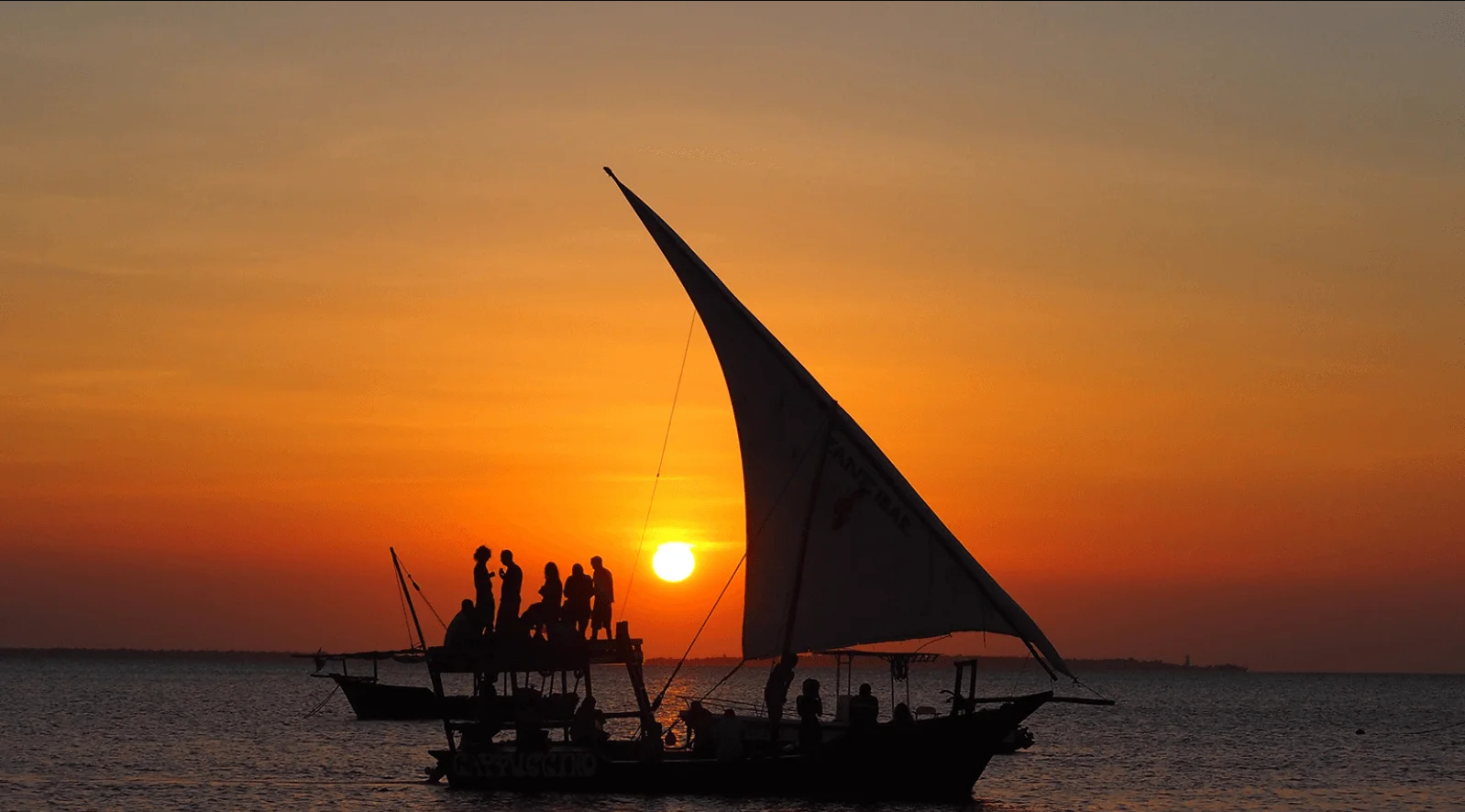
- Dhow Boats: The iconic triangular-sailed dhows are still used for fishing and transport. Taking a sunset dhow cruise is a way to experience the harbor exactly as traders did centuries ago.

- Evening Coastal Walks: In the late afternoon, locals flock to the waterfronts (like Mama Ngina Waterfront) to watch the ships, drink coconut water (Madafu), and socialize. This “cooling down” period is a vital part of the daily social cycle.
Cultural Beaches & Coastal Lifestyle
There is a distinct difference between the private beaches of high-end resorts and the public beaches where the local culture thrives.
Mamis Tours & Travels encourages visitors to experience the public beaches, such as Jomo Kenyatta Public Beach (Pirates Beach), on a weekend. Here, the vibe is electric. You will find families picnicking, impromptu football matches, and vendors selling cassava crisps and roasted maize. This is the Swahili coastal lifestyle in its most authentic form—communal, joyful, and centered around the ocean.
Read Also : Best Activities to do in Mombasa
Best Time to Experience Mombasa’s Culture
Timing your visit can significantly enhance your cultural understanding.
- Ramadan: During the holy month of Ramadan, the city slows down during the day. Restaurants may be closed for lunch. However, the evenings come alive with Iftar (breaking of the fast), where streets fill with food vendors and communal dining. It is a magical, spiritual time to visit, provided you are respectful of fasting practices.
- Mombasa Carnival: Usually held in November, this festival showcases the multicultural diversity of the city with floats, music, and dance.
- Time of Day: For cultural immersion, early mornings (6:00 AM – 9:00 AM) are best for markets and Old Town walks before the heat sets in. Evenings (after 5:00 PM) are best for street food and public spaces.
Ready to explore the real Mombasa? Mombasa is a city of layers, best peeled back with a knowledgeable guide. At Mamis Tours & Travels, we specialize in Mombasa city tours that respect the local heritage and offer deep insight into Swahili culture. Contact us today to book a cultural experience that goes beyond the guidebook.